What Age Should a Child Start Karate? A Parent's Guide to Kids' Karate
If you have ever watched your child kick a cushion, throw a karate chop at their sibling, or beg you for “the pyjama fighting class” after seeing it on Television, you have probably asked yourself: what age should a child start karate?
The short answer to this question is: most kids can start as early as 3-4 years old in a program designed for their age group, with 5-6 being the sweet spot for most structured beginner classes. But the right kind of age really depends on your child’s temperament, attention span, and what you want them to get out of it. This blog will guide you on what the right age is for your child to start karate, why they should learn karate, some common signs and what you should look for before enrolling them.
Why Age Matters in Karate for Kids?
Karate for kids isn’t a mini version of adult training; it’s a completely different teaching style. Good children’s karate classes are built on several factors such as short attention spans, big movements, and lots of positive reinforcement, rather than technical precision.
The Australian Government Department of Health recommends that pre-schoolers aged between 3 and 5 years should get at least 180 minutes of physical activity in a day, including 60 minutes of energetic play such as running, jumping, kicking, and throwing, which is exactly the kind of movement a well-run kids’ karate class delivers. So, from the activity point of view, starting at an early age does have a lot of benefits.
Karate for 3-Year-Olds
At the age of 3, most children have unlimited energy but not the focus or attention span for surviving in a full-time class. Programs that are designed for this age group consist of games, animal movements, and short bursts of instruction rather than formal drills. If your child loves structured play and can also follow simple group instructions, a 3-year-old-specific class can work extremely well. Just keep realistic expectations, as it’s more about coordination, listening skills, and fun, not about technique.
Karate for 4-Year-Olds
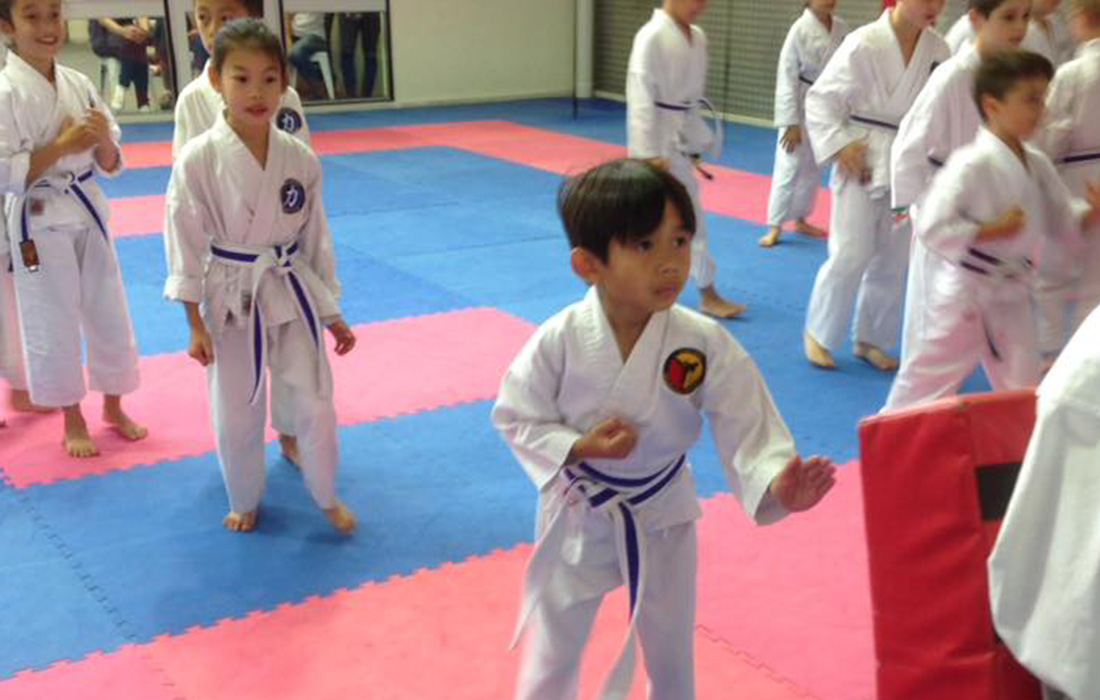
Age 4 is the point where kids start getting benefits from beginner karate for kids. Their attention span increases a bit, and they can follow multi-step instructions such as “step forward, then punch”, and they also start getting an idea of “your turn, my turn”. Many children’s karate classes in Melbourne set 4 as a minimum starting age for these two reasons.
Ages 5-7: The Most Common Starting Point
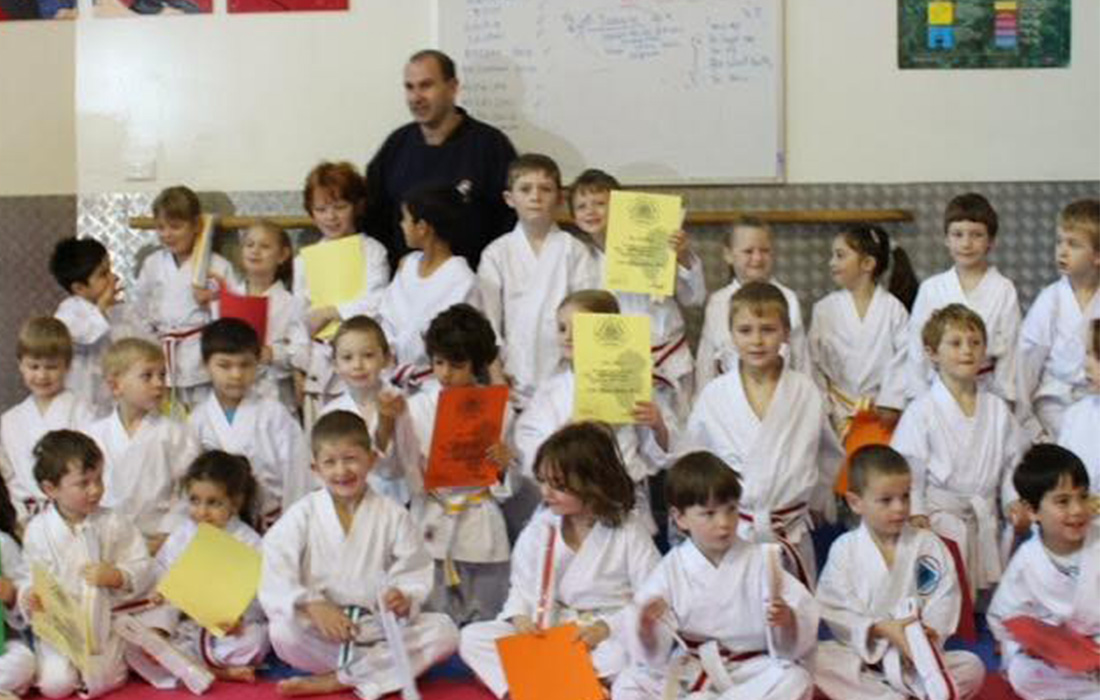
This is the age when children’s karate classes are ready and perfect to enrol them. Kids this age can generally:
- Follow structured routines and remember sequences of moves
- Understand and respect basic rules such as bowing, turning, and listening to the instructor
- Handle mild competitiveness like belt grading without becoming discouraged
- Sit still and focus for a 30-45 minute class
So, if you are not sure whether your child is ready, this age range is the lowest-risk starting point
| Age Group | Typical Class Style | What They’re Working On | Class Length |
|---|---|---|---|
| 3 years | Play-based games, animal movements | Coordination, listening, basic movement | 20-30 mins |
| 4 years | Simple structured drills | Following instructions, balance, focus | 30 mins |
| 5-7 years | Beginner karate fundamentals | Stances, basic strikes, discipline, belt grading | 30-45 mins |
| 8+ years | Traditional-style class | Technique, sparring basics, self-control | 45-60 mins |
Signs Your Child Might Be Ready
Rather than fixating on an exact number, look for these readiness signs below:
- They can follow a simple two-step instruction from a teacher or a coach
- They have shown interest in movement-based activities like dance, gymnastics, soccer
- They can separate from you for the length of a class without major distress
- They’re physically able to balance on one foot for a few seconds
What to Look for in Children Karate Classes in Melbourne?
Not every dojo class teaches kids in a similar way. When comparing beginner karate for kids, make sure to ask about the following things:
- Age-Specific Class Structure: Kids under 6 years of age shouldn’t be in the same class as those aged 10 years or older.
- Instructor Experience with Young Children: Look ahead to find an instructor who has handled kids before and knows how to deal with them. Mere qualifications aren't enough when it comes to kids.
- Class Size: Smaller groups mean more individual attention for little ones
- A Trial or Casual First Class: A trial class is a must to let your child know about the expected activities.
Conclusion
The best way to know if your child is ready for karate is to let them try it. Get in touch to book a trial class and see how they respond to all the activities. Feel no pressure, no long-term commitment, and have a fun interaction with an instructor who is experienced enough to train your child.
Give your children the space they need and let them use their energy in the correct manner. Don’t pressurize them to do something, and let them live the way they want.
Frequently Asked Questions
Q1: Is 3 too young to start karate?
Not necessarily! As various dojos run dedicated classes for 3-year-olds focused on play, coordination and listening skills rather than formal technique.
Q2: What's the ideal age to start karate?
There's no single "correct" age. Most instructors find 5–7 is when kids get the most out of structured beginner karate, but many children start successfully at 3 or 4 in age-appropriate programs.
Q3: How often should young kids train?
Young kids should train once a week if they are under 6. This will build consistency without becoming overwhelming.
Q4: Does karate help with focus and discipline?
Yes! Karate helps with focus and discipline, as noticed by a lot of parents, along with improved coordination and confidence.
Q5: Can shy kids do karate?
Often, karate is especially good for shy children, since classes build confidence gradually in a structured, low-pressure environment.